

USA news explained: understanding what it covers and why it matters
A clear explainer for readers of Mansfield360 on how USA news works, why it informs current events, and how to use this resource responsibly.

Readers often ask what USA news actually covers and why it matters to people outside the United States. This explainer answers that question with concrete examples, practical uses, and a clear sense of how to evaluate coverage. You’ll learn what makes coverage different, what to expect from reputable outlets, and how to use this resource to stay informed.
First, understand that USA news includes politics, policy, society and breaking events that ripple beyond borders. Second, look for straight reporting, corroboration and a balance of perspectives. Third, know where to find resources that help you verify facts and understand context without hype.
Finally, this guide shows how Mansfield360 readers can approach USA news critically: identify the core claim, check multiple sources, and use the site’s tools to track ongoing stories. The aim is to empower readers to form well-supported opinions.
- USA news covers politics, policy, and major events; expect verified reporting and context.
- Learn how to compare outlets, follow evolving stories, and verify facts with public records.
- Use multiple formats and alerts to stay informed with balance and depth.
Basics of how USA news works
What coverage centers on
USA news typically centers on government decisions, elections, economy, and major national events. Reporters verify facts, seek official sources, and provide context so the public understands implications. You will often see timelines, quotes, and background pieces that explain why a story matters.
This section uses simple, direct language to show what makes a story newsworthy: impact, relevance, and timeliness. It also notes how timelines evolve as new facts emerge, and why updated reports are common in fast-moving events.
Readers should expect clear attribution and a separation between what is confirmed and what is speculation. The goal is to present the core truth as it stands, with room to update as information develops.
- Expect clear attribution to sources or public records
- Watch for edits and updates as facts change
- Note when a report includes analyst perspectives
- Be wary of anonymous claims without evidence
Where to look for reliability
Reliability comes from transparent sourcing, fact-checking, and adherence to journalistic standards. Reputable outlets publish corrections when errors occur and provide accessible context for complex topics.
Mansfield360 readers should compare reports across outlets and note when stories reference primary documents or official statistics. This helps separate opinion pieces from verifiable reporting.
Contextual information such as historical background or legal frameworks often clarifies why a policy or event is significant, improving understanding and avoiding sensationalism.
Why this topic matters to readers
Impact on daily life
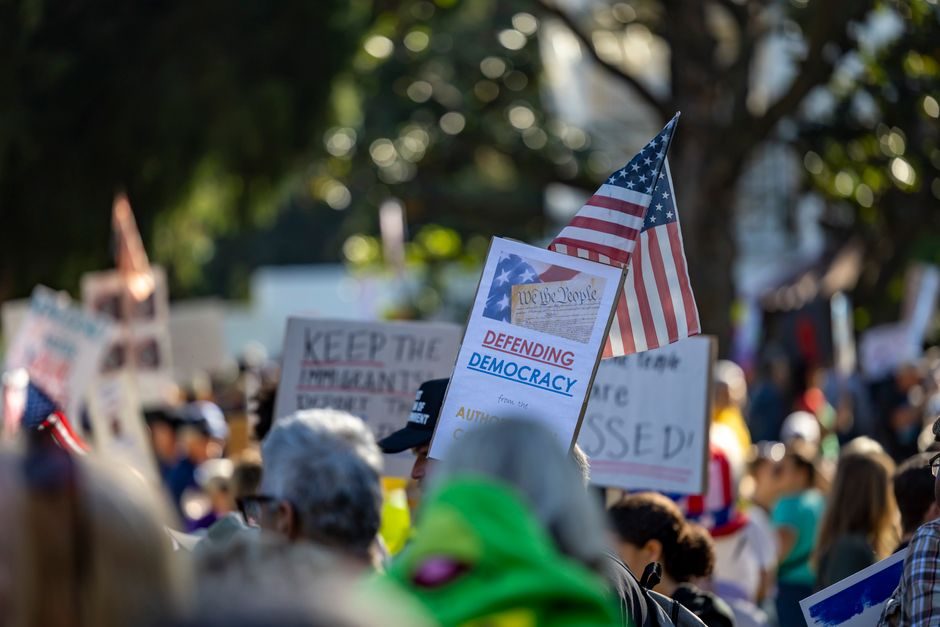
National events can shape local news in meaningful ways, from policy changes to funding priorities. Understanding these links helps readers assess how national developments could affect communities, jobs, and services. To participate actively, add an event to the USA events calendar and follow updates.
- National events influence local reporting
- Follow updates for evolving stories
- Evaluate sources for reliability
Knowing the timeline of a story helps you anticipate changes and follow follow-up reporting more effectively. It also clarifies what counts as breaking versus developing news.
Being informed about USA news supports informed citizenship, especially around elections, laws, and national debates with broad consequences.
- Focus on practical effects
- Note who is affected by a policy
- Track how stories evolve over time
How to read a breaking story
Breaking USA news is fast; seek the core facts first: who, what, when, where, and why. Identify the main claim and check whether it cites official sources or documents.
Look for updates as more information becomes available and watch for corrections or clarifications. This helps you separate initial impressions from verified details.
After the initial report, read follow-up pieces that provide context, consequences, and perspectives from different sides of the issue.
- Identify the core facts
- Check sources and documents
- Follow up with context pieces
How to use a USA news resource
Finding reliable sources
Start with outlets that publish transparent sourcing and corrections. Check author bylines and note whether a story references public records or official statements. If you want broader exposure, submit your business in the USA and see how coverage evolves.
Use a mix of national and regional outlets to balance breadth and local context. This can prevent overreliance on a single framing of a story.
Keep an eye on the publication’s editorial stance and consider how it may shape framing, while still focusing on factual content.
- Choose sources with clear sourcing
- Cross-check facts across outlets
- Be aware of framing differences
| Source type | Strengths | Limitations |
|---|---|---|
| National outlets | Broad coverage and expert analysis | Can show partisan framing |
| Local outlets | Close to community impact | May have less national context |
| Official records | Direct evidence | Access can vary and require navigation |
Using search and archives
Archived reports provide context for how a story developed over time. Use search filters to locate related pieces and see the trajectory of coverage.
Keywords help you narrow results; pair them with dates or locations to refine the results. This reduces noise and focuses on relevant developments.
Saving links or notes helps you build a personal timeline of a story for later reference.
- Search with dates and locations
- Review related coverage over time
- Save important references
If you need a quick update, a short briefing may suffice; for deeper understanding, consult longer investigations or explainers that lay out background and implications.
Options for readers

Where to read USA news
Readers have options from national outlets to local broadcasts and agency press releases. Each format offers different depth, speed, and emphasis on context. Readers can explore USA classified ads to understand related opportunities.
If you need a quick update, a short briefing may suffice; for deeper understanding, consult longer investigations or explainers that lay out background and implications.
Consider combining multiple formats to get both breadth and depth without relying on a single source.
- Use quick briefings for updates
- Read in-depth pieces for context
- Combine formats for balance
Tips for staying informed
Set a regular reading routine to avoid gaps in coverage. Consistency helps you notice changes in ongoing stories.
Use topic alerts for ongoing issues you care about, so you don’t miss developments. Alerts should be specific to avoid noise.
Mind your sources: prioritize those with transparent corrections and diverse perspectives to reduce bias.
- Create a reading routine
- Use alerts strategically
- Prefer sources with corrections and diverse voices
Verification practices
Source reliability checks
Verification starts with assessing the credibility of the source, noting whether it has a track record for accuracy. Look for corroboration from multiple independent outlets and cross-check key dates or facts. When in doubt, treat uncertain claims as developing information until confirmed by a trusted outlet. obituaries in the USA are often reported with context about local impact and public interest.
- Confirm at least two independent confirmations for key facts
- Evaluate the source’s history for accuracy and corrections
- Record the date and jurisdiction of the reported event
Ask whether the source provides verifiable evidence, like documents, public records, or official statements. If not, seek other sources that can substantiate the claim. This reduces the risk of repeating unverified rumors.
Develop a habit of noting what is on the record and what is alleged. Separate confirmed details from speculation in your notes, so readers see clear distinctions between facts and interpretations.
- Cross-check major facts against at least two independent reports
- Look for direct quotes and sources that can be independently reached
- Identify any potential conflicts of interest in the reporting
- Check dates to avoid confusing yesterday’s events with today’s updates
Context and background

Background to current events
Readers benefit when a story is placed in its wider context. Explain the historical backdrop, policy changes, or prior events that shape today’s news. Use concise timelines or bullet points to anchor the reader.
Describe how institutions interact in the current scenario, such as federal and state roles, or how courts, agencies, or political actors influence outcomes. This helps readers understand stakes and processes.
Conclude with a plain statement of why the context matters now, linking it to potential impacts on communities or public life.
- Historical milestones relevant to the topic
- Key actors and institutions involved
- Recent policy shifts affecting the issue
- Where to find official records or data
Reading strategies
Approach to fast-scanning
When time is short, teach readers how to skim for essentials: who, what, where, when, why, and how. Point to datelines, lede structures, and quotes that carry the narrative. Quick checks save time without missing core facts.
Encourage readers to compare versions from different outlets to spot differences in emphasis or missing details. This reveals bias or gaps in reporting that matter for understanding the full picture.
End with a short note on verifying critical claims, reminding readers to pause before sharing unverified assertions.
- Identify the lede: the core fact and why it matters
- Note any conflicting details across reports
- Look for official documents or primary sources
- Pause before sharing unverified claims
Ethical considerations

Fairness and accuracy
Ethics in news demand balanced coverage and precise wording. Present multiple perspectives when a topic is controversial and avoid sensational framing that distorts facts. Precision in language protects credibility.
- ☐ Avoid sensational framing
- ☐ Cite sources clearly
- ☐ Acknowledge verification limits
Be transparent about limits: if you can’t verify a claim, state that clearly and avoid implying certainty. Readers rely on honesty about what is known and what remains uncertain.
Close each story with a plain note on what was verified and what remains to be checked, so readers understand the boundaries of the reporting.
- Avoid loaded terms that sensationalize
- Cite sources clearly and accurately
- Acknowledge limitations of the available information
- Correct errors promptly and openly
Frequently asked questions
Who writes USA news coverage?Newsrooms assemble reports from reporters, editors, and producers who verify facts through official documents, statements, and corroborating sources. The process emphasizes accuracy, multiple perspectives, and timely updates as events evolve.
How should I assess a breaking story?Start with the lede to understand the core claim, then look for official statements and primary documents. Compare at least two independent outlets and note any discrepancies in dates, figures, or quotes.
Can I rely on long-form explainers?Yes. Explainers should connect today’s events to context, show how institutions interact, and present potential impacts. Look for transparency about what was verified and what remains uncertain.
What counts as a credible source?Credible sources provide verifiable information, have a clear track record of accuracy or public corrections, and offer direct evidence such as documents, data, or official records.
Takeaways and next steps
The basic flow of USA news combines verification, context, and reader-friendly explanations to make complex topics accessible. Knowing this helps you judge what you read and decide what matters to follow.
Next, use the strategies outlined here to read future articles more critically, cross-check claims, and seek official documents when possible. This approach keeps you better informed over time.
Add Mansfield 360 as a preferred source on Google


