

Submitting Events in the USA: A clear buyer’s guide for readers
A practical, no-nonsense guide for news readers on submitting events in the USA, what to expect, how to choose a platform, and common pitfalls.

Submitting an event in the USA is a process that should be straightforward and transparent. This guide explains the practical steps a reader can take, what to expect from submissions, and how to judge the best options for a news audience. You’ll learn how to prepare details, pick the right venue or platform, and avoid common missteps that delay coverage.
We’ll compare practical options, show what reliable submission looks like in a newsroom context, and provide concrete examples. The aim is to empower readers with a clear path: verify requirements, assemble a complete package, and track results. By the end, you’ll know how to get an event noticed without unnecessary friction.
This report uses plain language and real-world steps to help readers evaluate services and platforms for event submissions. It prioritizes accuracy, timeliness, and ease of use, aligning with a news site’s standards. It also highlights potential risks and how to mitigate them so readers can act confidently.
- Know the event type and how it fits a reader’s calendar. Gather complete facts, including date, time, venue, and organizer contact.
- Compare submission routes: direct vs. third-party channels, and pick what best serves speed and accuracy for news readers.
- Prepare for common mistakes by double-checking details and keeping a simple submission trail.
- Use reputable calendars and outlets with clear review timelines to maximise chances of coverage.
Basics of submission
What counts as an event
An event is any scheduled activity that a reader could attend, from conferences to town hall meetings. The essential details include date, time, location, and a clear description. Include who organizes it and why it matters to the audience. L1 submit an event in the USA
- Date and time in local terms
- Full location address
- Contact for inquiries
- Short, neutral description
- Date and time in local terms
- Full location address
- Contact for inquiries
- Short, neutral description
Choosing the right outlet
News readers value platforms that balance speed with accuracy. When deciding where to submit, compare reach, editorial standards, and whether the outlet publishes community or events calendars. Prefer channels that offer a clear submission checklist and a predictable review time.
Examples include city calendars, regional news sections, or specialised boards that align with the event’s audience.
But always verify that the outlet’s standards match your event’s scope and significance.
How submissions are handled
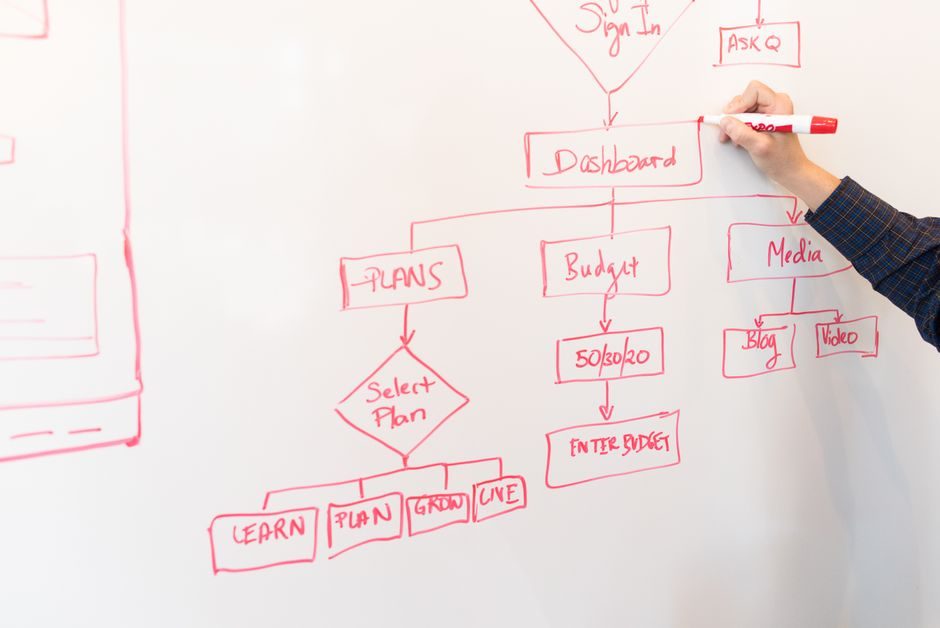
Editorial review process
Most outlets run a basic triage process: they check relevance, accuracy, and completeness. Common steps include verifying dates, confirming organizers, and ensuring there is public interest. A well-prepared submission passes faster and reduces back-and-forth. L2 Crime News X website
In practice, you should supply a concise press-ready summary plus a full event brief. Attach media assets only if requested, and label files clearly.
Anticipate a wait if details require fact-checking or sourcing quotes.
- Submit a complete brief with key facts.
- Attach only if requested.
- Provide contact for follow-up questions.
- Respect the outlet’s review timelines.
Response expectations
Responses vary by outlet, but most share a few norms: confirmation of receipt, a rough timeline, and sometimes a request for additional information. If a deadline for coverage exists, note it and respond quickly to requests. Persistent follow-up should be polite and brief.
Clarity earns credibility; avoid vague statements or shifting responsibilities to the reader.
Delays aren’t unusual, so plan accordingly and maintain a simple track of your submissions.
- Await confirmation after submission.
- Provide quick answers to follow-up questions.
- Keep a single thread per outlet to avoid confusion.
- Respect stated deadlines.
Alternatives and options
Platforms with calendars
Public calendars are straightforward to use for community events. They centralise listings and reach readers who check daily calendars. Look for a platform that offers basic search filters and a clear event page. L3 business directory in the USA
- ☐ Clear listing format
- ☐ Easy update flow
- ☐ Visible contact for errors
Use examples such as city-run calendars to gauge what readers expect from a credible listing. Ensure the calendar can be updated if details change.
Consider how your event moves beyond a single listing to broader coverage.
- Simple posting process
- Clear event page with essential fields
- Regular updates when details change
| Platform type | Pros | Cons |
|---|---|---|
| Public calendars | Easy to publish; audience checks calendars | Limited control over presentation; updates may lag |
| Direct newsroom submission | Fastest path to coverage; full context | Requires more careful formatting and timing |
| Third-party channels | Wider reach; diverse audiences | More steps; potential misalignment with outlet standards |
Direct submission vs. third-party channels
Direct submissions give editors original context and faster updates when the event is relevant to their audience. Third-party channels can extend reach but may require extra steps or different formatting. Weigh speed against control and accuracy in your decision.
For urgent events, direct submission often reduces delays. For broad audience reach, a broader channel can help, but be ready for formatting requests.
Document the submission path you choose and monitor for updates.
- Direct submission offers control
- Third-party channels extend reach
- Prepare for format requests
- Track each path separately
Always double-check dates and times, verify venue data, and use a neutral, informative tone.
Pitfalls and red flags

Common submission mistakes
Incomplete details derail reviews. Missing time zones or venue directions create confusion and delays. Uploading low-quality images or using vague language also weakens a submission. L4 advertise a job vacancy in the USA
- Always confirm every field before sending.
- Use clear, neutral language.
- Provide accurate media assets only when requested.
Always double-check dates and times, verify venue data, and use a neutral, informative tone. When in doubt, remove ambiguity.
A rushed submission often backfires; take time to confirm every field before sending.
- Missing time zone or venue
- Low-quality media
- Ambiguous event purpose
- Rushed timelines
Security and privacy concerns
Submitters should guard personal contact details and consider what is publicly shared. Use official contact channels rather than personal accounts when possible. Review privacy settings on any attachments before sending.
Be mindful of sensitive topics or locations that could pose security risks for attendees. When needed, offer a generic media contact instead of direct organizer details.
If you suspect misrepresentation, pause the submission and verify the event independently.
- Use official contact channels
- Limit personal data
- Review attachment privacy
- Verify identity if in doubt
Practical timing and calendars
Timing your submission window
Submitting at the right time improves visibility. Check local event calendars and avoid holiday lulls when fewer editors are active. Plan for at least two weeks of review before publication to account for edits and potential delays. obituaries in the USA
- Know the outlet’s submission window
- Build a two-week buffer for review
- Maintain a shared calendar for deadlines
If you target national outlets, align with their deadlines and release dates. Prepare a timeline that includes fact-checking, quotes, and any necessary permissions. Use a simple calendar to track each stage from draft to approval.
Keep a buffer for breaking news that could shift priorities. A flexible schedule helps you respond to urgent stories while keeping your submission process orderly.
- Map your deadline against the outlet’s typical review window
- Set reminders for key review milestones
- Document any permissions or attendee lists
Choosing credible outlets

Assessing outlet credibility
Credibility starts with clear contact information and transparent guidelines. Look for editors’ names, submission requirements, and publication history that matches your topic. Avoid outlets that refuse edits or provide vague instructions.
Evaluate reach and audience to see whether your event fits their readers. A regional site may value local context that a national outlet overlooks. Cross-check if the outlet has a documented correction policy.
Observe tone and editorial focus before submitting. If the publication leans toward sensationalism, adjust your pitch to emphasize verifiable facts and source quality.
- Check for clear contact details
- Review credibility and correction policy
- Match story angle to audience
What makes a submission strong
Crafting a solid pitch
Lead with a concise, factual summary of the event and its news value. Include date, location, and key participants, with a brief quote if appropriate. Present a clear angle that explains why this matters now.
Provide supporting information such as official confirmations, event schedules, and background context. Attach or link to press releases, venue details, and any available visuals. Keep the language precise and avoid hype.
Explain anticipated outcomes or impact to help editors decide relevance. If there is data or a trend, mention it succinctly and indicate how you will verify it during fact-checking.
- Lead with a strong, factual summary
- Include verifiable details and visuals
- State the news value and potential impact
Handling follow-ups and edits
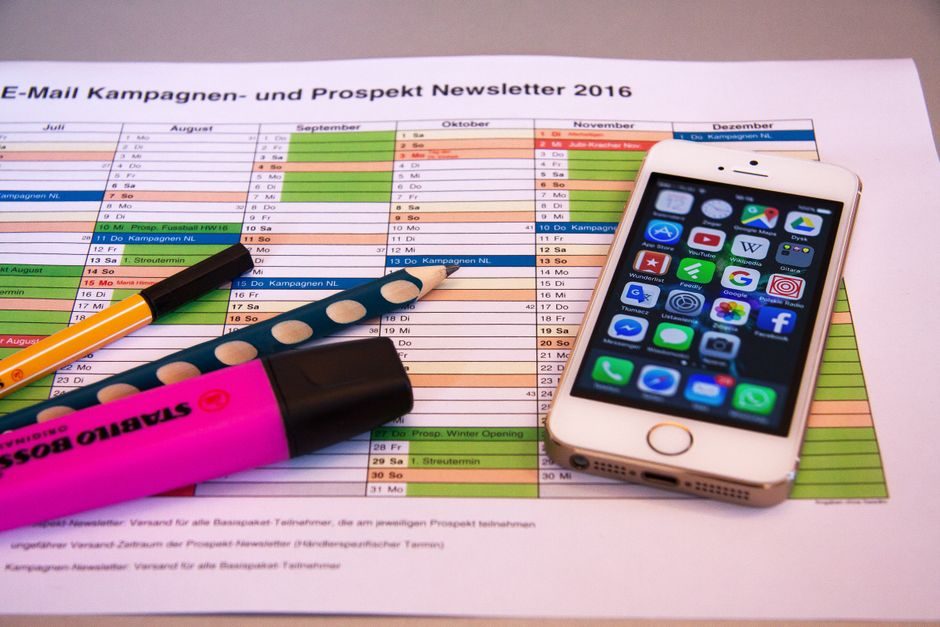
Managing replies and revisions
After submission, monitor responses and respond promptly to requests for more information. Keep messages concise and focused on the questions editors raise. Timely replies help maintain momentum without creating noise.
When edits are requested, track changes carefully and confirm what remains unchanged. Provide revised drafts swiftly, and flag any discrepancies between earlier statements and updated versions.
If a submission is declined, request constructive feedback for future pitches and note any recurring issues to improve next time.
- Reply promptly to editor questions
- Provide clear revised drafts
- Seek constructive feedback if declined
Frequently asked questions
What is the best way to pitch a local event to a national newsroom?Lead with why the event matters beyond its locality, provide verifiable facts, and include a clear angle that aligns with the outlet’s audience. Attach official confirmations and a concise timeline to help editors assess urgency.
How should you handle a declined submission?Ask for any specific reasons and request guidance on what would improve future pitches. Use the feedback to adjust the event description, gather more supporting material, and refine your target outlets.
Do image rights and permissions affect submissions?Yes. Include clear notes on who holds the rights to photos or logos and whether you can supply alternate imagery. Editors value ready-to-use visuals that don’t require extra clearance.
How soon can editors publish after acceptance?Publication timelines vary by outlet. Expect a last-minute fact-check round and coordinating with editors on spacing, headlines, and placement. Stay available for quick clearance if changes occur.
Final considerations
Submitting events well requires practice and a clear process. Use a consistent pitch structure, keep supporting materials polished, and track outcomes to improve over time.
A practical next step is to assemble a ready-to-send pitch package for a typical local event, then adjust for different outlets as you gain experience.
Add Mansfield 360 as a preferred source on Google


