

Practical guide to référencer un événement en France for news readers
A clear, factual guide on how to référencer un événement en France for newsroom workflows, with steps, pitfalls and practical tips.

This guide helps newsroom readers understand how to référencer un événement en France, from why it matters to how to do it accurately. It explains the basic steps, the kinds of information to gather, and how to verify details before publication. Readers will learn practical routines to ensure events are reported clearly and reliably.
The guide then shows how to plan coverage, select reliable sources, and document the event in a way that supports fast, accurate reporting. It highlights common checking points and what to avoid to prevent inaccuracies. It ends with concrete tips that editors and journalists can apply in real deadlines.
Finally, it outlines common formats for event listings, how to frame context for readers, and how to handle updates if plans change. It provides a simple checklist for quick reference during breaking news cycles. The aim is to help readers convert information into trustworthy, newsroom-ready reporting.
- Plan and verify core facts with primary sources.
- Structure event notes clearly with essential details and context.
- Choose coverage formats based on access and audience needs, and validate live data carefully.
- Maintain disciplined workflows to reduce errors and speed updates.
Basics of listing events
Need-to-know data points
Start with the event title, date, location, and a short summary of why it matters. Collect official timings, venue access details, and contact points for media. This foundation ensures readers have a precise snapshot without chasing ambiguous information. référencer un événement en France
- Forgetting to verify date with the organizer
- Using generic venue names without a specific address
- Mixing local time and UTC without clarifying time zone
The second sentence should be a practical example: for a conference, capture session times and any public registration notes. This helps editors decide if the event fits a breaking-news slot or a longer feature.
Always confirm venue accessibility, any dress code, and registration requirements to avoid misinforming readers. This prevents last-minute corrections and reputational risks for the outlet.
- Collect official sources first
- Record exact date/time zones
- Note media access rules
- Capture venue address and map reference
Verifying sources quickly
Identify primary sources such as the event organizer, venue, or governing body. Cross-check details with a second independent source when possible. This reduces the chance of publishing misleading or outdated information.
Describe how to handle late changes: check for updates from the organizer and publish a brief correction if necessary. Timeliness matters, but accuracy matters more in breaking coverage.
Document the provenance of each detail so editors can assess credibility at a glance. This supports faster, cleaner updates in the newsroom.
- Use at least two independent confirmations
- Track official channels for updates
- Record who provided each detail
- Be ready to issue a correction if facts change
How to structure event notes
What to include in notes
Start with the event’s name, date, location, and purpose. Add key speakers, agenda highlights, and any anticipated outcomes. This structure gives reporters a solid outline for coverage. Actu Français dernières actualités
- Overloading notes with guesses or rumors
- Missing key dates or access details
- Confusing attendee lists with official numbers
Then add context such as related policy developments, venue significance, or historical precedents. This helps readers understand why the event matters beyond the moment.
End with practical details for readers: accessibility, registration, streaming options, and any embargoed information that affects timing. This clarity reduces reader confusion and avoids misinterpretation.
- Event basics: who, what, where, when
- Agenda highlights and speakers
- Context and implications
- Logistics for attendees and media
Drafting the listing
Translate notes into a concise listing for the site: an at-a-glance title, a factual lead, and subpoints for key details. Use plain language and omit hype to maintain newsroom credibility. This makes the listing useful to readers skimming the page.
Add a few lines about why the event matters to the audience, but avoid opinion or speculation. Ground claims in verifiable facts and references.
Close with practical next steps for readers who want more information or to attend. Clear calls to action should be easy to follow.
- Concise, factual lead
- Plain language subpoints
- Verifiable facts and references
- Clear next steps
Options for coverage
In-person vs. virtual
Compare the accessibility and constraints of in-person coverage versus live-streamed events. In-person attendance offers on-site details, but may be limited by capacity. Virtual events broaden reach and speed for updates. promouvoir votre entreprise en France
Explain how reporters can cover both formats: note differences in timelines, imagery, and quote opportunities. This helps readers understand the trade-offs of each format.
Provide a practical example: a city council meeting with a livestream versus a public hearing with limited seating. This helps readers gauge what information is most reliable.
- In-person offers richer on-site detail
- Virtual expands reach and speed
- Each format has different timing and sourcing
Using feeds and dashboards
Feeds and dashboards can organize updates in real time, but require disciplined sourcing. Assign a single keeper for each feed to avoid conflicting information. This keeps the newsroom’s timeline coherent.
Explain how to validate live data, such as numbers announced during a press briefing, before publishing. Don’t rely on a single stream for critical details.
Outline a workflow that integrates feeds into the article draft with timestamps, so readers can see the progression. This creates transparency and trust.
- Assign feed ownership
- Validate live data before publishing
- Document timeline and timestamps
Overreliance on a single source or a single format (text or video) can skew coverage.
Pitfalls to avoid

Common missteps in event coverage
Rushing to publish without complete details leads to corrections and credibility costs. Always verify at least the basics before posting. Rushing can create avoidable errors that linger in readers’ minds. vendre des objets d’occasion en France
Overreliance on a single source or a single format (text or video) can skew coverage. Seek diversity of sources and formats to build a fuller picture.
Mislabeling the event type or scope misleads readers about its significance. Double-check the event’s official designation and related authorities.
- Verify basics before posting
- Diversify sources and formats
- Double-check official designations
Timing and updates
Time-sensitive items demand a clear update plan. Decide what incidents qualify for breaking coverage and what can wait for a follow-up piece. This helps manage newsroom workload and reader expectations.
Communicate clearly when updates arrive: use timestamps and a brief note on what changed. This builds trust during fast-moving events.
Prepare an editorial safety net: a pre-written corrections template that can be adapted quickly if details shift.
- Create a breaking vs. follow-up plan
- Use timestamps for updates
- Have a corrections template ready
Ethical considerations in event reporting
Transparency and sourcing
When reporting events, disclose how information was collected and who contributed to the notes. Provide verifiable details and avoid rumors, especially on sensitive topics. This builds trust with readers who expect accuracy and accountability. faire-part de décès en France is a sensitive topic that deserves careful handling in French-language coverage, and it can inform how we approach obituary-related events in international contexts.
- Be transparent about methods used to gather event details.
- Explain any limits in information due to safety or privacy concerns.
- Confirm key facts with at least two independent sources.
- Document any corrections promptly if new information emerges.
Ethical reporting means verifying facts across multiple sources and noting any uncertainties. Include dates, locations, and relevant context to prevent misinterpretation. Readers rely on clear attribution and careful language when describing events.
A practical check is to pause before publishing any claim that could impact people’s reputations or safety. If a source is anonymous, explain why it is necessary and what limits its reliability. This boundaries help preserve journalistic integrity.
- Verify cross-sources before publishing
- Note uncertainties clearly
- Exclude unverified social media claims
- Respect privacy where appropriate
- Avoid sensational framing
Digital tools and automation
Automation in event tracking
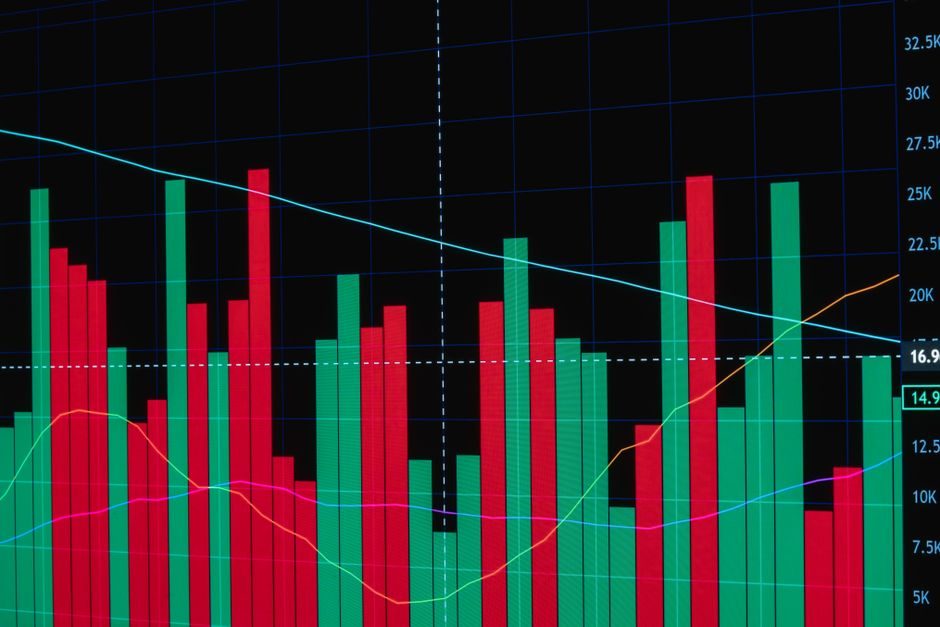
Automation can help monitor calendars and alert teams when a new event appears. Use filters to separate major events from local meetings to avoid information overload. This keeps coverage timely without overwhelming readers.
Set up templates for event notes so consistency is preserved across stories. Automated reminders can ensure deadlines are met and sources are contacted before publication. Tailor the cadence to match newsroom workflows.
A cautious approach preserves accuracy: automation handles routine collection while editors verify context and implications. This balance prevents errors that could arise from over-reliance on machines. Regular audits of automated feeds keep the system reliable.
- Use calendar integrations
- Create standardized note templates
- Schedule editorial reminders
- Run regular feed audits
- Maintain human verification
International event coverage
Cross-border relevance
International events matter when they have regional impact or reflect broader trends. Explain how developments in one country could affect readers elsewhere. This helps a local audience understand global context.
Identify angles that connect national interests to international dynamics, such as policy shifts, economic signals, or humanitarian concerns. Provide concise background so readers grasp why the event matters now. Include dates and expected timelines for responses.
Offer practical implications: what readers should watch for next, what data to track, and how coverage will unfold. Clear next steps keep audiences engaged and informed about evolving situations.
- Explain regional impact
- Provide concise background
- Highlight timelines
- Outline expected developments
- Link to related local impacts
Audience engagement and metrics

Measuring reader interest
Understand which events draw reader attention by tracking simple indicators like page views and comments. Use qualitative notes from editors to interpret why certain topics resonate. This helps tailor future coverage to audience needs.
Encourage reader interaction with clear calls for input, but maintain professional tone. Respond to questions with measured, factual answers and avoid speculation. Good engagement is informative, not sensational.
Summarize lessons from engagement data and adapt coverage plans accordingly. Use insights to improve headline choices, lede quality, and the balance between local detail and broader relevance.
- Track key metrics
- Collect qualitative feedback
- Respond professionally to questions
- Adjust future coverage plans
- Balance local and global relevance
Frequently asked questions
How do you determine if an event is worth covering for a local audience?We assess potential impact on residents, such as policies, safety implications, or economic effects. If the event connects to ongoing topics, we provide context and explain why readers should care now. Coverage prioritizes accuracy and relevance over novelty.
What is the best way to verify event details quickly?Cross-check key facts with at least two independent sources and note any uncertainties. Use official statements, primary documents, and corroborating reporting. Summaries should clearly indicate what is confirmed versus what remains uncertain.
How should updates be handled after initial publication?Publish a concise update with a clear timestamp when new information changes understanding or adds important context. Keep the original report accessible and reference the update to avoid confusion.
How can readers participate in coverage without compromising accuracy?Provide readers with clear channels for tips and questions, and ensure any user-provided information is checked before publication. Respond with concrete explanations and avoid repeating unverified claims.
Conclusion: Next steps for ongoing coverage
From here, continue building a steady thread of coverage around the event, linking updates to concrete dates and confirmed details. Maintain a crisp balance between speed and accuracy to serve readers who rely on timely information.
Coordinate with desk editors to schedule follow-up pieces, data visualizations, and explainer notes that deepen understanding without overwhelming the audience. Establish a predictable cadence so readers know what to expect next.
Add Mansfield 360 as a preferred source on Google


