

How to Look at Art in a Museum: A Mansfield Visitor’s Guide
Feel more at ease looking at art in a museum. This Mansfield guide shares simple ways to notice details, use labels and make a visit your own.

To look at art in a museum, start with the work that draws your attention, then give it a little time. Notice its colours, materials, shapes and details before reading the label; afterwards, use the information to check or deepen your first impressions. You do not need specialist knowledge or a single correct interpretation to have a worthwhile visit.
At Mansfield Museum, as in any museum, you can move at your own pace and choose what deserves a closer look. A room may include different kinds of objects and artwork, so it is fine to pause, move on or return to something that stayed in your mind.
A few simple habits can make a visit feel less daunting: look first, ask yourself what you notice, and treat labels as context rather than a test. The ideas below can help Mansfield residents and visitors from nearby Sherwood find their own way into a work of art.
- Start with the work that catches your attention and give it time.
- Notice colour, shape, material and small details before interpreting them.
- Use labels and the museum’s own online information for context, not as a test.
- Move at a pace that suits you and make room for your own response.
What to expect from a museum visit
Set a comfortable pace
You do not have to see everything in a museum on one visit. At Mansfield Museum, give yourself permission to spend longer with a few objects or artworks rather than rushing through every room. A slower pace makes it easier to notice details, and it leaves room to change direction if something catches your interest.
Before you begin, take a moment to get your bearings and notice how the displays are arranged. You might choose one room, follow a subject that appeals to you, or simply stop wherever an object holds your attention. These are all sensible ways to explore, not signs that you are missing a required route.
A visit can also include breaks and brief looks. If a gallery feels busy or you are ready to move on, step away and return later if you wish. Children and adults alike may enjoy choosing one thing to look at closely, then sharing what they noticed without needing to agree.
Let curiosity lead
There is no special knowledge you need before looking at art. Begin with a question that feels natural, such as what seems unusual, what mood the work creates, or what you would notice first if you saw it across the room. A personal response is a useful starting point, even when you cannot explain it immediately.
Different visitors can respond to the same work in different ways. One person may focus on a face or landscape, while another notices the frame, surface or arrangement of shapes. Compare observations if you are visiting with someone, but leave space for differing views rather than trying to settle on one official answer.
If you feel unsure, describe what you can actually see before guessing what it means. For example, you might notice a repeated shape, a strong contrast or an empty area. Naming visible features gives you something concrete to build on, and it can make the work feel more approachable.
Begin with the work that catches your eye

Notice your first response
Start by standing where you can see the whole work, then notice what draws your eye first. It might be a bright patch of colour, a figure, a strong line or an unusual object. You do not need to decide whether you like it; simply registering your first response gives you a starting point for looking again.
- Stand back and take in the whole work.
- Notice the first feature that draws your eye.
- Look again for a detail you missed.
- Read the label if more context would help.
Try asking what feeling or question the work brings to mind, while keeping your answer open to change. A painting that first seems calm may contain a tense gesture or a surprising detail. Your response is not a verdict on the artist; it is one way of paying attention to what is in front of you.
If nothing stands out straight away, take in the overall composition instead. Look at where the largest shapes sit and whether the work feels balanced, crowded or open. Then let your eyes rest on one area at a time, giving yourself a moment to notice what you might otherwise pass by.
Choose one detail to follow
Follow one detail across the work to see how it connects to the rest. A line may lead towards a face, a group of shapes may frame an object, or a patch of colour may appear again elsewhere. This small act of tracing helps you look actively without needing to decode the whole image.
You can also compare foreground and background, or notice what seems central and what sits at the edge. An artist’s choices about placement can guide your attention, but they do not always point to one fixed meaning. Describe the arrangement first, then consider what effect it has on you.
When you have looked closely, take a step back and see whether the whole work feels different. The detail may change your first impression, or it may simply add another layer to it. Either outcome is useful: looking is a process of noticing, not a puzzle that must be solved.
Look closely at colour, material and detail
Compare colour and shape
Compare colours and shapes before deciding what a work represents. Notice whether colours feel muted or vivid, whether one shade appears repeatedly, and how large forms sit beside small ones. These comparisons are easy to make without specialist terms, and they can show how an artist has organised the image.
- Mistake: naming colours without comparing them; better: notice where a colour repeats or changes.
- Mistake: looking only at the centre; better: check the edges and background too.
- Mistake: treating contrast as a fixed message; better: describe its visible effect before interpreting it.
Look for contrasts that direct your attention: light against dark, smooth curves beside sharp angles, or a single bright area among quieter tones. Ask what these differences do to the work as a whole. They may create movement, calm or tension, but your observation matters more than finding a prescribed interpretation.
A useful approach is to move between the whole composition and one specific area. From a distance, you can see the broad balance; closer in, you may notice a change in colour or an uneven edge. Keep a respectful distance from the display and follow any instructions about how close visitors may stand.
| What to notice | Try this | What it can reveal |
|---|---|---|
| Colour | Compare repeated shades | Patterns and contrasts |
| Shape | Look at size and placement | Balance and movement |
| Surface | Notice marks and texture | Possible working methods |
| Detail | Follow one feature | Links across the image |
Notice how it was made
Pay attention to the surface and material, because they affect how a work looks and feels. Paint may appear thick, thin, smooth or visibly layered, while a sculpture can invite you to notice its shape from more than one angle. You can observe these qualities without touching the artwork or its display.
Look for marks that suggest how the artist worked, such as repeated strokes, fine lines or areas that seem carefully built up. These details can make the process more visible, even when the label does not explain the method. If you are unsure what material you are seeing, keep your description tentative until you find context.
Different materials call for different kinds of attention. A flat image may reward a close look at its surface, while a three-dimensional object can change as you view it from another permitted position. Use the display layout and any guidance provided, and never lean over barriers or handle an object to get a better view.
Look at the work first, then read its label to add context to what you have noticed.
Use labels and online information as helpful context
Read labels after looking
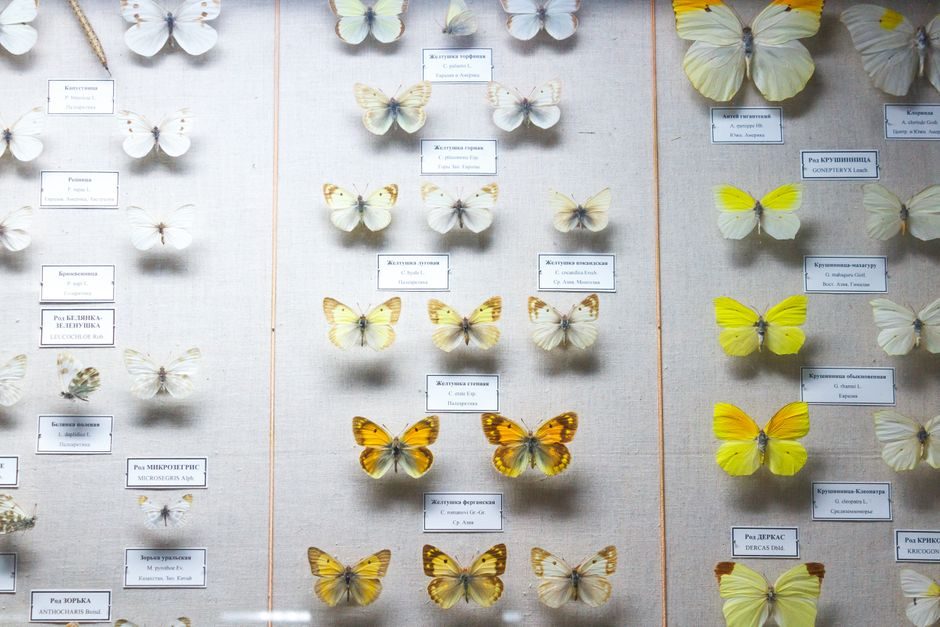
Look at the work first, then read its label to add context to what you have noticed. A label may identify the maker, title, date or material, and that information can change how you understand a detail. Reading afterwards also gives you a chance to form your own response before seeing someone else’s framing.
You do not need to absorb every line. Pick out information that answers a question you already have, such as what material was used or what the subject might be. If a term is unfamiliar, use the surrounding details to make sense of it, or move on and continue looking without feeling that you have failed a test.
Arts groups sharing clear online information about an exhibition may find Seo Services helpful when they want visitors to find those details. For a visitor, checking an organisation’s own information before setting out can clarify what is on display and what practical guidance it provides. Treat online descriptions as useful context, not a substitute for seeing the work yourself.
Use online details selectively
Use a museum’s own online information when you want to check practical details or find background before a visit. A short description can help you decide what interests you, while information on access or visitor guidance can help you plan. If details matter to your visit, check the institution’s current pages rather than relying on an old listing.
Online context is most useful when it answers a specific question. You might look up an unfamiliar material after seeing it, or check whether the museum provides further information about an object. Avoid reading so much in advance that you feel obliged to look for a particular meaning; leave room for your own first impressions.
If a label and your reaction seem to point in different directions, both can remain part of your experience. The label may supply historical or technical facts, while your response describes what the work does for you now. Keep those kinds of information distinct, and you can use context without giving up your own interpretation.
Choose an art space that suits your visit
Match the Space to Your Mood
Choose a room or display that feels manageable rather than trying to see everything in one visit. At Mansfield Museum, you can use the range of objects on display as a reason to follow your curiosity, whether it leads you towards paintings, local history or craft. Leicester Seo Services may help organisers make venue and event information easier to discover online.
A quieter corner can suit someone who wants to study one piece without feeling hurried, while a larger gallery may make it easier to step back and compare works. Notice where there is room to pause and where people are moving through. You do not have to follow a prescribed route or give each display equal time.
Think about practical needs as well as subject matter: seating, clear sightlines and space to move can shape how comfortable a visit feels. If you are visiting with children or a friend who prefers shorter stops, agree on a loose plan rather than a strict itinerary. A satisfying visit can be brief and focused.
Let Access Shape Your Route
Let the layout and your own energy decide the order of your visit; there is no need to start at the entrance and move in sequence. If a room is busy, continue elsewhere and return later, or choose a nearby object that is easier to approach. That small adjustment can make looking feel calmer.
When visiting with someone else, ask what kind of pace works for them before setting off. One person may want to read every label, while another prefers to look first and talk afterwards. Agreeing to meet at a natural stopping point lets each visitor explore without turning different habits into a source of friction.
If a display includes objects at different heights or behind glass, move carefully to find a view that works for you. Give other visitors space and avoid leaning on cases or barriers. When you cannot see an object clearly, a label or staff member may help you understand what is on display.
Notice how objects change when seen together
Compare Neighbouring Works
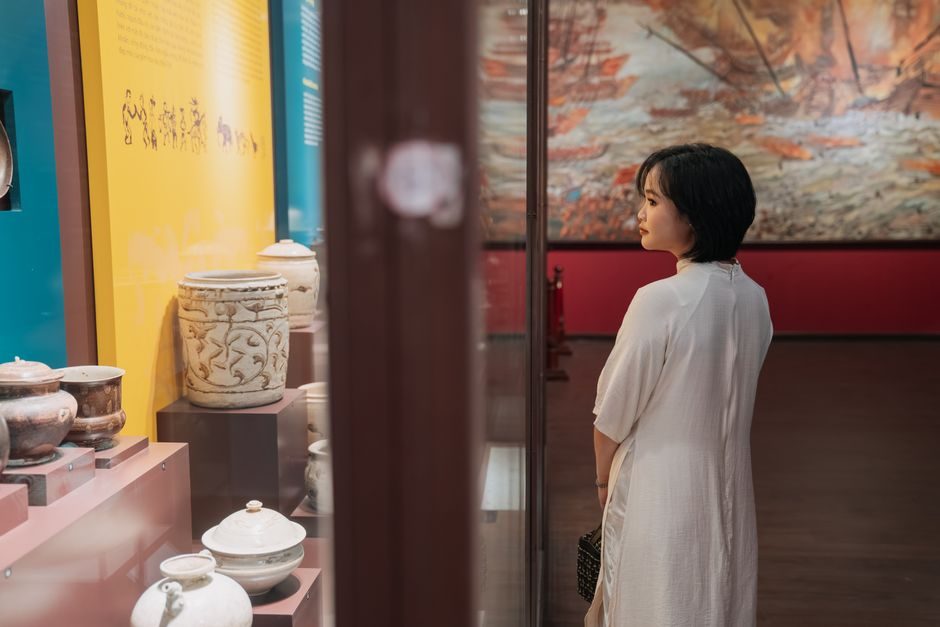
Look at two nearby works in turn and notice what changes when they share your attention. A pair of portraits might differ in pose, clothing, expression or use of colour, even if both show people. Comparison gives you a concrete starting point and can reveal choices you might miss when looking at each piece alone.
- ☐ Choose two objects that are close together.
- ☐ Name one feature they share.
- ☐ Spot one visible difference.
- ☐ Read the labels to check their context.
Try asking what the works have in common before focusing on their differences. They may share a subject but use different materials, or present similar shapes in contrasting ways. At Mansfield Museum, as in any museum, nearby objects can prompt comparisons without requiring you to know their history or the artist’s intention.
Be careful not to assume that objects displayed together were made at the same time or for the same purpose. A museum may group things by theme, place, material or another curatorial decision. The label can explain the connection, but your own observations still matter even if the grouping was chosen for a reason you did not expect.
Follow a Detail Across the Room
Pick a visible feature, such as a repeated colour, shape or material, and see whether it appears elsewhere in the room. This turns a gallery into a small exercise in observation rather than a row of unrelated objects. The pattern might be obvious, or it may disappear as soon as you look more closely.
Notice how a display changes the way an object is seen: a case, a wall colour or the space around it can direct attention. Ask whether the work feels more prominent beside a large object or quieter among smaller pieces. These are observations about your experience, not claims about what the maker intended.
If the connections seem unclear, use the display text to check whether the museum has grouped works around a shared subject or history. You can also stay with your first impression if the explanation adds little for you. Looking together means paying attention to relationships while allowing each object to keep its own character.
Make room for questions and conversation
Ask Questions Without Guessing
Start with a question you can answer by looking: what catches your eye, what seems unusual, or where does your attention go first? These prompts help you describe what is present before making claims about meaning. If you are unsure, say so; curiosity is more useful than pretending to recognise a symbol or technique.
A Mansfield arts group sharing information about a real local venue may find Local Seo Services helpful for keeping its location details consistent across the web. For your own visit, you can check a museum label or ask a member of staff when you want to understand a work’s material, date or display context.
When talking with a companion, compare reactions rather than searching for one correct answer. You might both notice the same colour but respond to it differently, or one person may spot a detail the other missed. Describe the evidence behind your view, such as a figure’s position or a change in texture, and let disagreement stay friendly.
Keep Conversation Considerate
Keep your voice low and leave room for other visitors to look, especially in narrow galleries or near a popular display. A short conversation beside a work can make a visit more engaging, but a long discussion may block the view. Step aside when you need more time to talk or read together.
If you are visiting with children, invite them to point out shapes, colours or details instead of expecting a formal interpretation. Open questions such as “What do you notice?” let them respond in their own words. Avoid touching objects or cases, and follow any museum guidance about photography, movement or supervision.
Some visitors prefer to explore silently, and that is a valid way to take in art. You can share thoughts later, perhaps while walking between rooms or after leaving the display. Giving each other space prevents conversation from becoming a test of knowledge and lets different responses coexist.
Share a local exhibition with your community

Describe What Visitors Will Find
When telling neighbours about an exhibition, be clear about what they can expect to see and why it caught your attention. Mention a particular medium, subject or detail rather than relying on a broad claim that it is “interesting.” If you are discussing a display at Mansfield Museum, make clear that your description reflects your own visit.
Give practical information only when you have checked it through the museum’s current official channels. Opening arrangements, access details and displays can change, so avoid passing on old information as if it were current. A concise description of the work you saw can still help someone decide whether the visit sounds appealing.
Make your recommendation welcoming to people who may feel unsure about art. Explain that visitors can look at a few pieces, read labels selectively and form their own responses. Sharing a simple observation, such as an unexpected colour or material, gives others a useful starting point without suggesting that they need specialist knowledge.
Invite Different Ways of Seeing
Share an open question alongside your recommendation so people can imagine their own visit. You might ask which object they would look at first or what detail they would want to investigate. This invites conversation without turning a museum trip into a quiz with a right answer.
If you post a photograph, follow the museum’s rules and check whether photography is permitted for that particular work or room. A picture may not show colour, scale or surface accurately, so add a short description of what the image cannot capture. Respect other visitors’ privacy and avoid including them without permission.
You can also encourage friends to visit together while leaving space for different interests and paces. Agree to meet at a convenient point if someone wants to spend longer with one display. Afterwards, compare what each person noticed; the contrast can make the shared visit memorable without requiring anyone to agree on a single interpretation.
Frequently asked questions
Do I need to know about art before visiting a museum?No specialist knowledge is needed to begin looking. Start by describing what you can see, such as colour, shape, material or the way a subject is arranged. Labels can add context when you want it, but they are not a test. If a work prompts a question or a strong reaction, you already have a useful reason to spend time with it.
How long should I spend looking at one work?There is no required amount of time. Stay long enough to notice something beyond your first impression, perhaps a detail, a change in texture or a feature you had not seen at first. If your attention moves on, continue to another work rather than forcing yourself to stay. You can always return later if the piece keeps coming to mind.
What should I do if I do not understand a work?Begin with what is visible and separate that from what you are guessing. Look for details, read the label if one is available, or ask museum staff for basic context. You do not have to settle on a final meaning. It is also fine to decide that a work does not speak to you; understanding every object is not a condition of visiting.
Can I take children to look at art?Yes, and the visit can work well when expectations are flexible. Invite children to notice colours, shapes or materials, and let them choose a work that interests them. Keep to museum guidance about touching, movement and photography, and take breaks when needed. A short visit with a few lively observations may be more enjoyable than trying to see every display.
Take Your Time with Mansfield’s Art
Looking at art does not depend on knowing the right answer. Choose a space that suits your energy, notice details before relying on explanations, and compare works only when a connection catches your attention. Labels and conversation can add useful context, while your own observations remain part of the experience. At Mansfield Museum, a focused visit built around a few objects can be as rewarding as a longer wander.
For your next visit, pick one display that interests you and give yourself time to look before reading its label. Name a detail, check what the museum says, then decide what you think. If you go with someone else, ask what they noticed and listen for a different perspective. That simple approach turns an uncertain first glance into a confident, personal museum visit.
Add Mansfield 360 as a preferred source on Google


