

A clear buyer’s guide to events in Spain this week
A practical, news‑style buyer’s guide to judging event listings and sources for eventos en España esta semana, with concrete tips for readers of a news site.

Readers come to a news site for verifiable, practical guidance. This guide helps you evaluate events listed for España this week, so you can tell credible listings from noise. You’ll learn what to check, how to compare options, and where to look for reliable details and updates.
If you’re choosing events to attend or share, understand what information matters most: timing, venue reliability, accessibility, and official sources. The goal is a clear, grounded approach you can use right away. Expect concrete steps, examples, and a simple checklist you can reuse.
This first half lays the groundwork for evaluating event listings with a newsmaker’s eye. You’ll see how to verify dates, confirm venues, and distinguish routine listings from genuine, timely happenings. The following sections build from basics to decisions, with practical tips for readers.
- This guide helps readers evaluate event listings for eventos en España esta semana with practical checks and a decision framework.
- Use reliable sources, verify dates and venues, and plan with buffers to avoid common mistakes.
- Expect concrete steps: verify timing, compare options, and prepare for changes with flexible plans.
- A structured approach reduces risk and improves how you follow breaking news about events.
Basics for spotting credible listings
What to look for in dates
Identify the event date and time clearly stated on the listing, preferably with a local time zone. Check whether multiple sources confirm the same details. Look for any last‑minute changes posted by organizers and verify them before planning. eventos en España esta semana are often updated in local calendars, so check a trusted source for the latest dates.
If the listing lacks a date, treat it as unreliable and avoid committing your plans. Check the venue’s official site or a trusted calendar to confirm. When in doubt, wait for a secondary confirmation from a reputable outlet.
Be cautious of generic wording like “this week” without a concrete date. A precise timestamp reduces confusion, especially for events with limited seating or early‑bird pricing.
- Always cross‑verify with the venue's own site
- Prefer listings that include start times and end times
- Look for official event pages or tickets from trusted platforms
How to verify venues and organizers
Check the venue's official page for accessibility options, seating charts, and safety notices. Read recent user reviews for patterns, not isolated complaints. Compare the organizer’s track record on past events to gauge reliability.
If a venue lacks a dedicated site, use multiple independent sources such as municipal calendars or established cultural portals. Compare contact methods and response times across listings.
Trustworthy listings usually show a clear contact email or phone number and a physical address. When this is missing, treat the listing with caution and seek alternatives.
- Look for official venue pages
- Compare several sources for the same event
- Favor organizers with a consistent history
How to compare options and plan
Assess ticket options and terms
Compare ticket types, prices, and refund policies. Note any service fees that inflate the total cost. If you need flexibility, look for transferable or refundable options and documented terms. Deportes Noticias España coverage can help confirm athletic event times and locations.
Read the fine print on deadlines for cancellations and rain plans. Choose options that fit your schedule and budget without surprise charges.
Bring a clear plan for transportation and timing so you can move between events or return home safely.
- Check refund windows and transfer rules
- Calculate total cost including fees
- Prefer flexible tickets when plans may change
Evaluate sources and credibility
Prioritize listings from established outlets with staff writers or editors. Cross‑check with the venue or organizer’s official channels. Be wary of anonymous posts or speculative claims.
Compare coverage across multiple outlets to see if an event has substantive reporting, timelines, and context. Inconsistent or vague descriptions are a red flag.
If a listing cites third‑party hosts, verify their legitimacy and check for reviews or complaints about past events.
- Prefer outlets with editorial standards
- Cross‑check against official sources
- Watch for concrete details and citations
Pitfalls and red flags to avoid
Common scams and misleading listings
Watch for listings that promise rare, limited access or unverifiable guarantees. Be skeptical of overly dramatic language or required upfront payments from unknown platforms. These often indicate low reliability. guía de comercios en España lists should be cross checked with venue pages to ensure accuracy.
- Lack of contact details or official links
- Pressure tactics to purchase quickly
Always verify through a known site or the venue itself before paying or sharing personal information. If something feels off, pause and confirm.
Avoid listings that lack a public contact method or a traceable digital footprint.
- Verify payment providers and refund terms
- Avoid non‑transparent sellers
- Seek independent confirmation of the event
| Method | Pros | Cons |
|---|---|---|
| Official venue page | Clear terms, direct information | May lack broader context |
| Trusted news outlet | Editorial checks and verification | Coverage varies by event |
| Third‑party listings | Wide options | Variable reliability |
Planning mistakes that cost time
Overbooking is a common issue when readers mix multiple events in the same day. Build buffers for travel, queues, and potential delays. This saves time and reduces stress.
Relying on a single source for critical details increases risk if that source posts changes. Cross‑check with at least one official channel.
Don’t ignore accessibility needs or language requirements that could affect attendance.
- Space out events to avoid rush
- Cross‑check details with official calendars
- Plan for accessibility and language needs
Keep a small list of primary contacts for venues and organizers to speed up verification.
Tips for staying informed and prepared
Set up reliable alerts and checks
Create a routine to review official calendars and trusted outlets shortly before events. This reduces surprises from last‑minute changes. Use a single, trusted source as your baseline and verify others if needed. artículos en venta en España listings require verification of seller legitimacy and return policies.
Keep a small list of primary contacts for venues and organizers to speed up verification. Document changes in a simple notebook or note app.
Record the event details and what to check on the day of attendance, such as transport options or weather considerations.
- Routine checks before events
- Maintain a contact list
- Note day‑of checks
What to do when plans change
Events move or cancel; days remain dynamic. Have a plan for alternatives or refunds if complications arise. Prioritize options with clear change policies.
Communicate changes to any companions and adjust transportation plans promptly. Stay updated through official channels.
Keep receipts and confirmations until the event has occurred or you’re sure refunds are processed.
- Keep backup options
- Monitor official updates
- Retain proof of purchase and communications
Safety considerations for events
Assessing venue safety and crowd management
Event listings should include venue details, capacity notes, and accessibility information. When planning, verify exits, emergency plans, and whether the space complies with local safety regulations. Look for regular drills or recent safety inspections mentioned by organizers to gauge reliability. esquelas de España esquelas de España can help readers spot local listings.
- Know the venue layout and exits
- Ask for emergency procedures
- Check accessibility options and inclusivity
Compare similar events at the same venue to spot inconsistencies in safety claims. If information is sparse, contact the organizer for a written safety outline and a map of emergency exits. Be cautious of listings that omit basic safety details, especially for large crowds or outdoor venues.
- Check for visible exits
- Look for accessibility notes
- Verify safety certifications
- Ask for a written plan
- Review prior incident reports
Digital tools for listings

Using apps and feeds effectively
Leverage trusted apps to filter events by date, location, and price. Customize alerts for last-minute changes and cancellations to stay ahead. Use offline copies of listings for areas with spotty connectivity.
Be mindful of data privacy and app permissions. Prefer sources that clearly state their update frequency and provide contact details for organizers. Keep a simple calendar that syncs across devices to avoid double bookings.
Cross-check a listing across multiple platforms before acting; it reduces the risk of pursuing outdated information and helps confirm times and venues.
- Set date/location filters
- Enable cancellation alerts
- Verify source credibility
- Sync your calendar
- Keep offline backups
Local coverage and community sources
Relying on community reporting
Local reporters and community calendars often capture niche happenings that larger outlets miss. Check neighborhood papers, library boards, and cultural centers for event lists and practical tips. Community volunteers can offer insider context about accessibility and transit options.
A good approach is to compare a major outlet’s listing with a neighborhood bulletin and social feeds from venues. This triangulation helps identify reliability gaps and last-minute changes. Always seek direct confirmations from organizers when possible.
Community voices add texture to event coverage, including practical notes like parking patterns or pedestrian access that bigger outlets overlook.
- Cross‑check with local venues
- Consult neighborhood bulletins
- Seek organizer confirmations
- Watch for accessibility notes
- Follow venue social feeds
Ethical viewing and accessibility
Inclusive planning and reporting
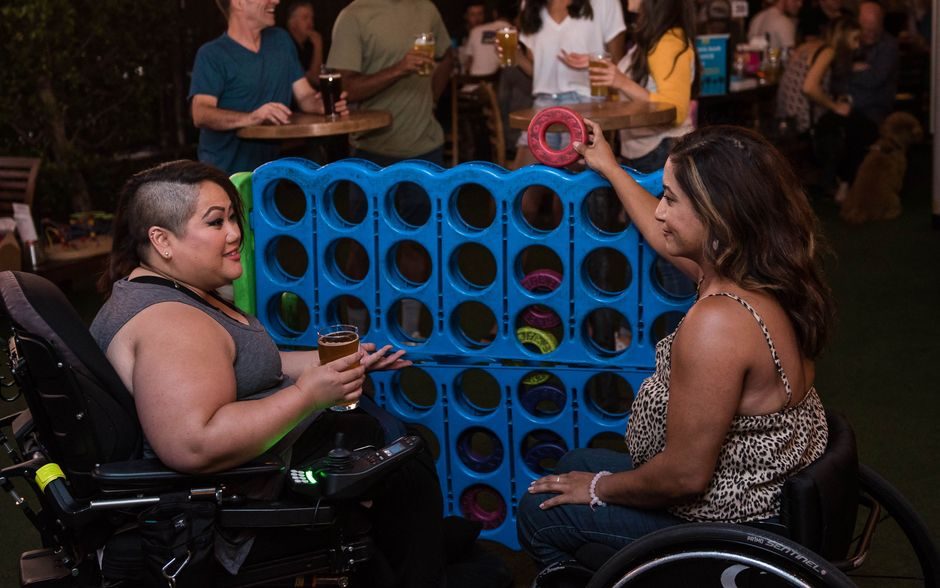
Ethical event coverage requires noting accessibility features such as wheelchair access, captioning, and sensory accommodations. Report on price fairness, ticketing transparency, and seating policies to help readers judge value. Highlight events that actively invite diverse audiences and provide inclusive programming.
When accessibility details are incomplete, propose concrete questions readers can ask organizers. Include practical guidance on navigating venues with mobility challenges or sensory needs. Emphasize consent, privacy, and respectful representation in coverage.
Readers benefit from clear, honest assessments of how welcoming and navigable an event is for people with differing needs.
- Check captioning and access services
- Assess ticketing fairness
- Note inclusive practices
- Suggest reader questions
- Respect privacy and consent
Frequently asked questions
How do I verify credibility quickly?Start with the venue and organizer contact details, then cross-check listings on a second platform. If information is sparse, reach out directly to organizers for confirmation before purchasing tickets.
What should I do if an event changes?Monitor the listing for updates, follow organizers on social media, and review any stated refund or rescheduling policies before committing.
How can I plan a busy week efficiently?Prioritize must-see events, insert buffer times between commitments, and maintain a fallback option in case plans shift.
Where can I find reliable transit tips?Consult the venue page, local transit advisories, and recent attendee feedback to navigate travel issues and delays.
Conclusion
Readers gain a practical framework for evaluating events this week using safety checks, digital tools, and local perspectives. A careful approach helps separate credible listings from misleading ones, and it sets readers up to act quickly when plans change.
The next step is to build a personal quick-reference kit: one trusted source for listings, a calendar with reminders, and a short list of questions to ask organizers if details are unclear. This keeps you prepared without overcommitting.
Add Mansfield 360 as a preferred source on Google


